Bring Nature Home with Grace and Light

Why Nature-Rich Homes Feel Effortless
Wellbeing Backed by Evidence
Research across environmental psychology and building science consistently links daylight, views of greenery, natural textures, and good air quality with lower stress and improved focus. You do not need a forest outside; even modest cues—leafy patterns, wood grain, and sky glimpses—invite your biology to settle, restoring attention without relying on more screens or artificial stimulation.
Elegance Through Restraint
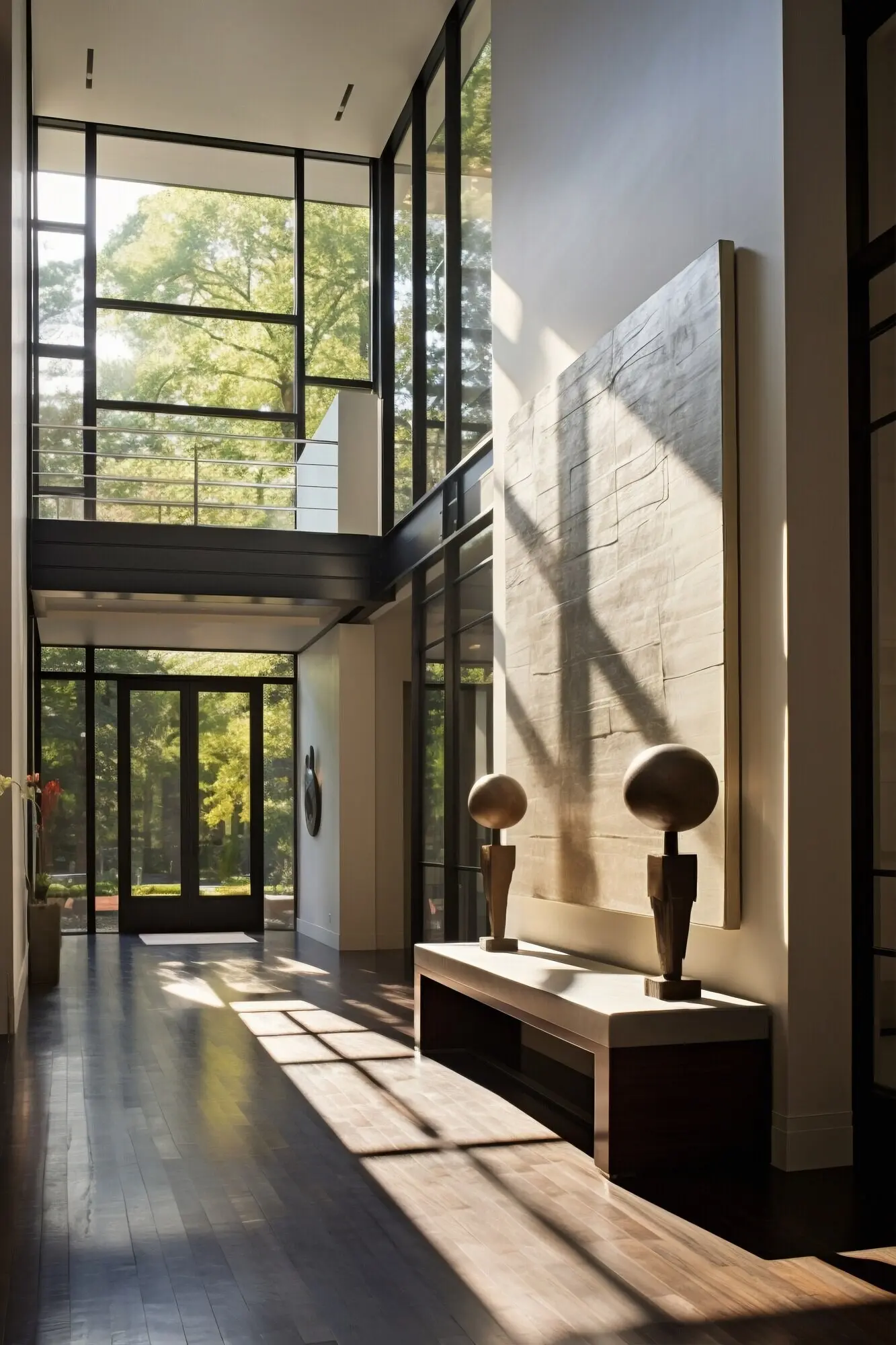
Understatement lets subtle materials carry the story: limewashed walls catching daylight, a single oak bench anchoring entry, a linen throw softening echoes. When every object earns its place, maintenance drops, surfaces breathe, and the eye rests, liberated from visual noise that masquerades as personality yet quickly dates and demands replacements.
A Small Apartment Story
In a narrow city studio, we replaced a bulky media cabinet with a low reclaimed-wood ledge, added a mirror opposite the window, and hung sheer flax curtains. Plants clustered by the brightest corner thrived, and the owner reported quieter sleep, easier morning routines, and fewer nightly online shopping spirals.
Light, Shadow, and Views That Breathe
Mapping the Sun
Sketch your space at different hours, noting hot spots, dim corners, and reflections from neighboring facades. A light-colored sill can bounce brightness deeper; a leafy trellis can soften midsummer intensity. Small moves accumulate, balancing daylight distribution so tasks feel effortless and artificial lighting needs fall throughout much of the year.
Framing the Outdoors
Sheers, timber slats, and climbing vines can lend privacy while preserving layered sightlines to sky or street trees. Frame one powerful view and let other walls recede. When outdoor life feels connected yet filtered, rooms gain calm definition, and neighbors experience a kinder, less glaring presence from your windows.